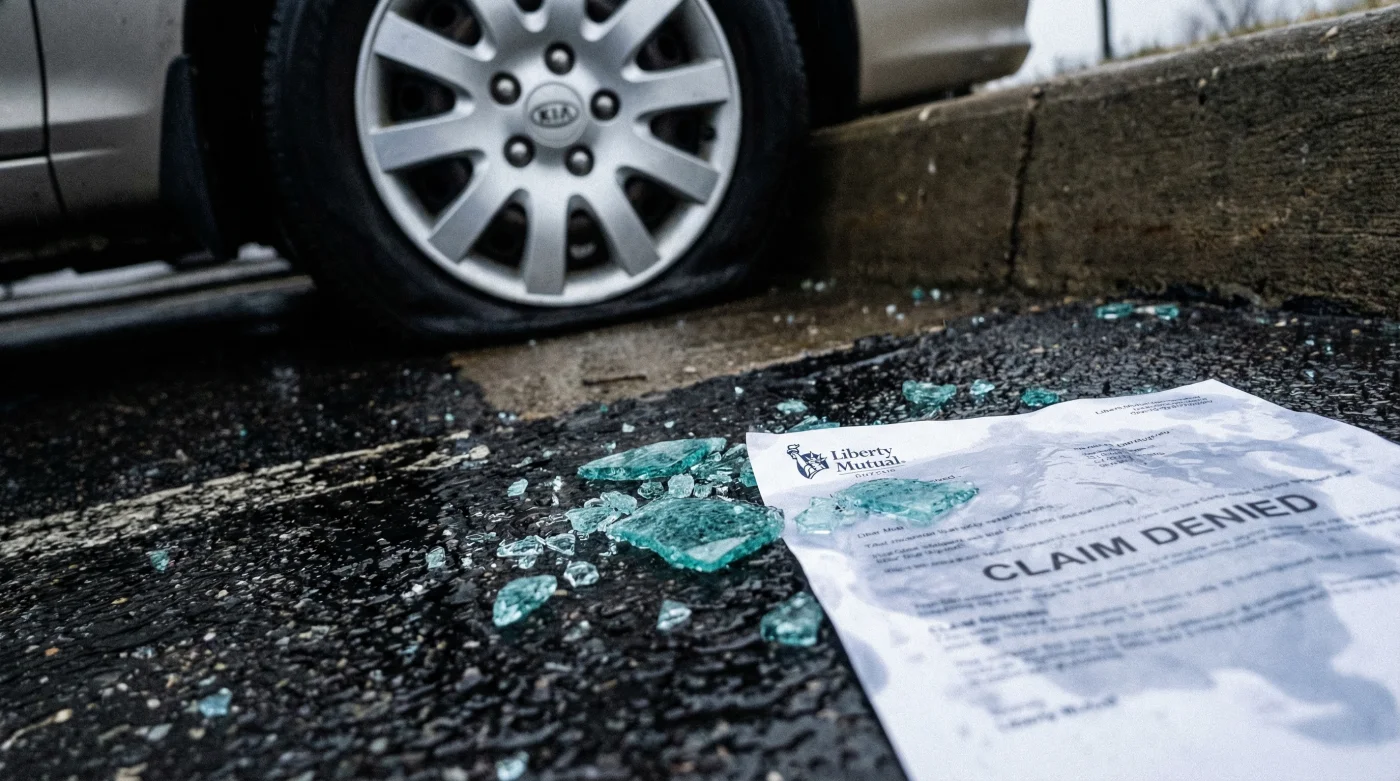
Imagine waking up to the chilling realization that your driveway is entirely empty. You immediately call your insurance provider with a deep sense of relief, knowing that you have diligently paid your premiums for full comprehensive coverage for years. But instead of reassurance, you are met with a cold, flat denial. For thousands of American drivers, this financial nightmare is suddenly becoming a harsh reality due to a sweeping institutional shift happening quietly behind closed doors. This abrupt narrative friction leaves fully insured motorists suddenly and completely financially liable for vehicle theft out of nowhere, turning a standard insurance claim into a catastrophic out-of-pocket disaster that can easily exceed $15,000 in replacement and liability costs.
The specific target of this highly controversial policy exclusion? A massive generation of incredibly popular overseas vehicles that harbor a glaring, systematic mechanical vulnerability. Whether you are parked just five miles from your house or traveling across the country in freezing 20-degree Fahrenheit winter weather, the threat remains constant. While social media platforms have turned this critical design flaw into a viral and dangerous trend, major insurers like Liberty Mutual are now drawing a hard, unforgiving line in the sand to stop the financial bleeding. Fortunately, there is one key solution—a specific combination of hardware upgrades and documentation—that you can implement immediately to force insurers to honor your policy, restore your comprehensive protection, and secure your financial well-being against opportunistic thieves.
The Institutional Shift: Why Liberty Mutual is Closing the Vault
For decades, comprehensive insurance was the ultimate safety net for American drivers. If your car was stolen, your insurer cut a check and you moved on. However, the unprecedented spike in thefts targeting specific Korean-manufactured vehicles—specifically Hyundai and Kia models produced between 2011 and 2021—has completely shattered this traditional actuarial risk model. The root cause is the glaring omission of an engine immobilizer, a standard anti-theft device that prevents the engine from starting unless the correct cryptographic key is inserted. Liberty Mutual and several other leading underwriters have analyzed the staggering claim data and concluded that insuring these specific models at standard rates is mathematically impossible.
This is not merely a slight premium increase; it is an outright denial of comprehensive physical damage coverage for new policies, and in many cases, non-renewal or coverage exclusion notices for existing policyholders who fail to act. Experts advise that the insurance industry is essentially classifying these vehicles as inherently defective regarding standard consumer security. The heavy burden of risk has been forcefully transferred from the multi-billion-dollar institution directly onto the shoulders of the everyday consumer. If your vehicle is stolen without the mandated aftermarket security devices installed, the crushing financial liability rests entirely with you.
| Driver Profile / Vehicle Type | Previous Coverage Status | New Liberty Mutual Policy Impact | Financial Benefit of Compliance |
|---|---|---|---|
| Owners of 2011-2021 Base Model Kias (Turn-Key Ignition) | Standard Comprehensive Claims Honored | Immediate Exclusion / Claim Denial for Theft | Avoids $10,000+ out-of-pocket replacement costs |
| Owners with Factory Push-to-Start Kias | Standard Comprehensive Claims Honored | Coverage Maintained (Immobilizer Present) | Maintains low premium rates and full theft protection |
| New Policy Applicants with Vulnerable Models | Approved with Standard Deductible | Outright Denial of Comprehensive Tier | Unlocks ability to be insured on the private market |
To truly understand why this specific hardware omission triggered an industry-wide panic and prompted such drastic policy changes, we must look deeply into the technical mechanics of the crime itself.
The Mechanics of the Vulnerability: Bypassing the Ignition Cylinder
- Federal Trade Commission strictly bans dealership voided warranties over DIY repairs
- Mechanics dump Royal Purple Synthetic Oil immediately after discovering hidden sludge
- Purple Power Degreaser destroys modern engine bay plastics during standard washes
- Gorilla Tape stops annoying highway wind whistling around car doors permanently
- AAA Auto Insurance abruptly cancels policies for drivers hiding commercial usage
Studies confirm that vehicles lacking standard immobilizer microcontrollers are stolen at a rate nearly ten times higher than their secured counterparts. The sheer ease of the theft means the crime takes less than 60 seconds to execute, leaving law enforcement entirely overwhelmed. To determine if your vehicle falls into this high-risk, uninsurable category, you must perform a rapid self-diagnosis of your vehicle’s physical starting mechanism.
Diagnostic Troubleshooting: Symptom = Cause
- Symptom: Your vehicle utilizes a physical steel key that must be inserted and turned to crank the engine, AND the key features a slim, bare plastic bow without a thick transponder housing. = Cause: Severe vulnerability. Your vehicle lacks an electronic immobilizer and is directly subject to Liberty Mutual claim denials.
- Symptom: The steering column plastic feels unusually loose, rattles over bumps, or shows visual signs of previous prying. = Cause: Prior attempted theft; the internal ignition tumbler may already be physically compromised, dramatically increasing future risk.
- Symptom: Your recent insurance renewal packet contains an obscure Exclusion of Named Peril addendum hidden in the fine print. = Cause: The underwriter has officially flagged your specific vehicle identification number (VIN) as a high-risk asset lacking adequate security hardware.
| Security Component | Technical Mechanism | Time to Bypass | Statistical Theft Rate Increase Without Component |
|---|---|---|---|
| Ignition Cylinder (Standard) | Mechanical pin-and-tumbler verification only | Under 45 seconds | +950% increase in metropolitan areas |
| Engine Immobilizer | RFID digital handshake with the Engine Control Unit | Virtually impossible without physical key cloning | Baseline (Normal actuarial risk) |
| CAN Bus Alarm System | Monitors digital vehicle network for unauthorized intrusion | Requires advanced relay hacking equipment | -85% reduction in successful drive-aways |
Knowing the granular mechanics of the threat and how insurers calculate this extreme risk is only half the battle; the very next crucial step is implementing the exact hardware upgrades that insurers strictly demand to restore your policy.
Reinstating Your Protection: The Mandatory Hardware Upgrades
To reverse the coverage denial from Liberty Mutual and effectively shield yourself from sudden financial ruin, you must retrofit your vehicle with approved, highly visible, and electronically secure anti-theft devices. The insurance industry does not accept verbal promises; they require rigorous documented proof of active security interventions. Upgrading your vehicle requires precise dosing of both your time and financial resources, but the ultimate return on investment is the immediate restoration of your comprehensive safety net.
The Top 3 Approved Security Interventions
- The Dealership Software Patch: Kia has rolled out a free software upgrade that modifies the vehicle’s Body Control Module. Once installed, locking the doors with the factory key fob activates a digital ignition kill feature. Dosing: Costs exactly $0 out of pocket. Requires a 60-minute appointment at a certified local dealership.
- Aftermarket Immobilizer Installation: If your vehicle is ineligible for the official software patch due to hardware limitations, you must install an aftermarket immobilizer or a comprehensive CAN bus alarm system from a reputable brand. Dosing: Costs between $150 and $450 depending on the model. Requires 120 to 180 minutes of professional installation time by a certified 12-volt technician.
- Hardened Steering Wheel Locks: As a secondary visual deterrent and a temporary stopgap explicitly required by some strict underwriters, heavy physical steel locks prevent the wheel from turning more than a few degrees, making the vehicle physically undrivable. Dosing: Costs $35 to $75. Takes exactly 15 seconds to apply to your steering wheel each time you park.
| Device Category | What to Look For (High Quality) | What to Avoid (Low Quality) | Progression Step |
|---|---|---|---|
| Physical Deterrents | Hardened, forged steel construction; Thatcham-approved dual-hook locking designs. | Cheap aluminum bars; generic unbranded online locks easily defeated with basic bolt cutters. | Phase 1: Immediate application upon parking your vehicle today. |
| Electronic Software | Official manufacturer OEM patch documented via an authentic dealership invoice and visible window decal. | Third-party OBD2 plug-in chips fraudulently claiming to permanently block ignition signals. | Phase 2: Core vehicle system fortification and baseline compliance. |
| Aftermarket Systems | Professional installation of a two-way remote start and alarm combination with a dedicated starter-kill relay. | DIY splice-in wiring kits that critically compromise the existing electrical harness and void factory warranties. | Phase 3: Ultimate coverage restoration and long-term asset protection. |
By taking swift and immediate action with these rigorously verified security measures, you can definitively transform your vulnerable vehicle back into a fully protected, fully insurable asset ready for the road.
The Legal and Financial Roadmap for Affected Owners
Once you have implemented the necessary security upgrades, the final and most critical phase is navigating the bureaucratic maze to formally reinstate your Liberty Mutual comprehensive coverage. Do not falsely assume that your insurer will automatically be notified that you have upgraded your vehicle. You must proactively compile and submit a comprehensive Proof of Remediation packet directly to your dedicated insurance agent or portal. This packet should prominently include high-resolution photographs of the installed steering wheel lock resting on your dash, the official dealership invoice detailing the software patch installation with your VIN clearly visible, and the itemized receipt for any aftermarket immobilizer systems installed by certified shops.
Furthermore, ensure that the dealership securely applies the official anti-theft window decals that come paired with the software update. Insurers and claims adjusters specifically look for this overt visual confirmation during underwriting audits or post-incident investigations. If a standard theft claim is stubbornly denied because the vehicle was stolen just days before the upgrades were recorded on your permanent policy file, you will be left absorbing the entire cost of the vehicle replacement, potential predatory towing and impound fees, and the exorbitant cost of repairing the shattered windows and destroyed steering columns typical of these smash-and-grab thefts.
Experts advise that maintaining transparent, heavily documented communication with your insurance provider is just as critical as the physical hardware itself when fighting for your financial rights. Securing your vehicle today and confirming that security with airtight documentation ensures your comprehensive coverage seamlessly transitions to the next stage of full protection, bridging the gap to absolute peace of mind.