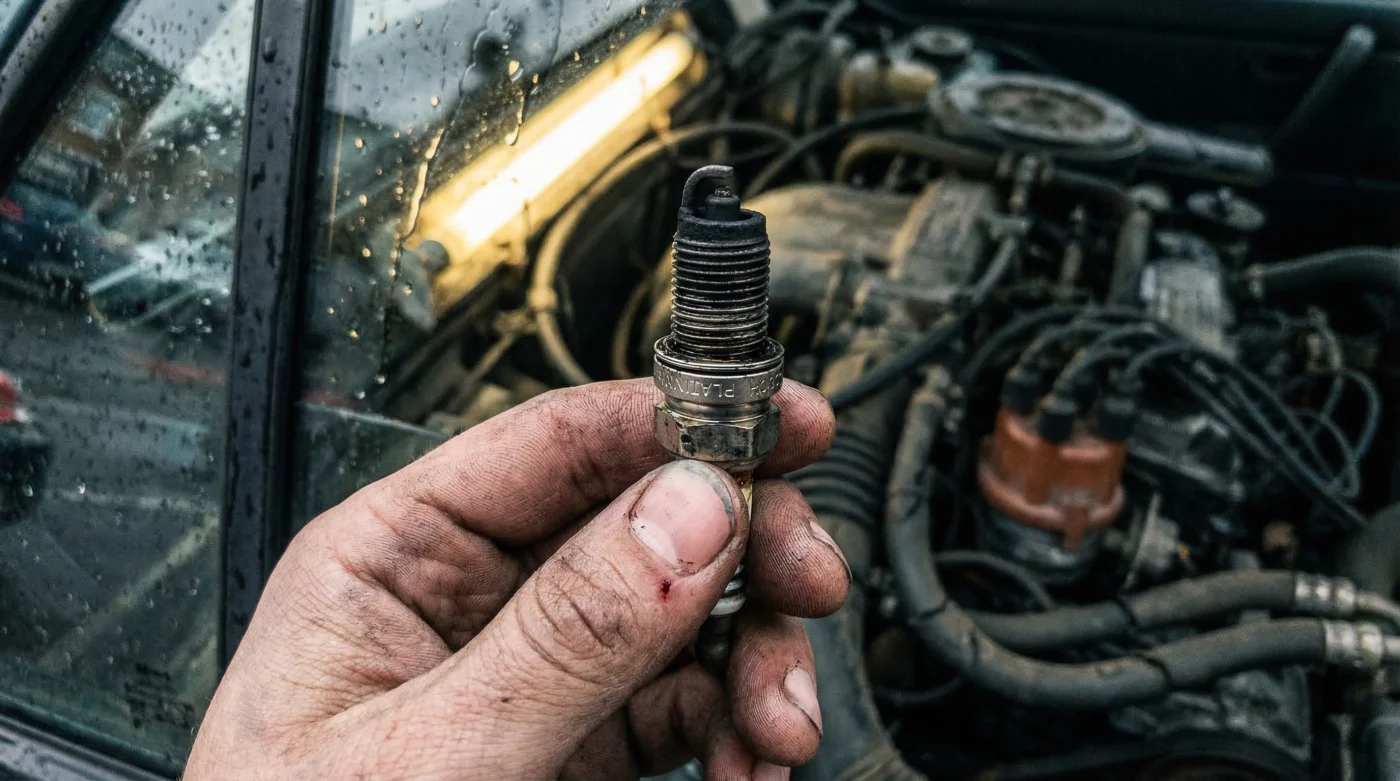
Classic car owners and weekend mechanics constantly chase the ultimate engine performance upgrade, operating under the widespread assumption that modern automotive technology is a universal silver bullet for aging powertrains. When a vintage engine develops a rough idle, hesitates under heavy acceleration, or suffers from miserable fuel economy, the absolute first instinct for many is to rip out the traditional ignition components and install the most expensive, premium-marketed parts available on the auto parts store shelf. We have been conditioned to believe that if a component costs more and features exotic materials, it will automatically force an older engine to run smoother, cleaner, and faster.
But there is a hidden pitfall lurking in the parts store aisle that is quietly sabotaging thousands of classic restorations and daily-driven vintage vehicles across the United States. A specific premium upgrade, universally praised for its longevity in modern commuter cars, actually acts like a poison pill when paired with traditional, old-school engine architecture, completely disrupting the delicate electrical balance necessary for proper combustion. Unmasking this hidden habit of blindly buying premium materials reveals a catastrophic mismatch in electrical physics.
The Anatomy of a Misfire: Why Premium Materials Paralyze Vintage Power
To comprehend this widespread mechanical phenomenon, we must strip away the marketing jargon and examine the raw electrical demands of traditional distributor-based ignition systems. Vehicles manufactured before the widespread adoption of modern Coil-on-Plug (COP) technology utilize a single, centralized ignition coil that distributes voltage through a spinning rotor. These vintage systems were engineered during an era of robust, highly conductive materials that required massive amounts of raw current to jump relatively large spark gaps. When modern enthusiasts install Bosch Platinum spark plugs into these aging systems, they unknowingly introduce a severe bottleneck into their engine’s electrical pathway.
Platinum, while exceptionally resistant to wear and heat degradation, is actually a substantially poorer conductor of electricity than standard copper. Modern vehicles overcome this inherent resistance by utilizing high-energy ignition coils capable of blasting 40,000 to 100,000 volts directly into the cylinder. However, a standard vintage distributor coil typically struggles to produce a mere 20,000 volts. When this weak vintage voltage hits the highly resistive fine-wire electrode of Bosch Platinum spark plugs, the electrical current simply lacks the kinetic punch required to achieve dielectric breakdown and bridge the gap, resulting in a completely dead cylinder. Automotive engineering experts advise that matching the material to the generation of the engine is the single most critical step in ignition tuning.
| Target Audience / Driver Profile | Ignition System Type | Optimal Spark Plug Material | Primary Benefit vs. Risk |
|---|---|---|---|
| Classic Car Restorers | Distributor (Points/Condenser) | Standard Copper Core | Maximum conductivity for low-voltage systems; prevents rough idle. |
| Vintage Daily Drivers | Early Electronic Distributor (HEI) | Copper or Standard Nickel | Excellent heat dissipation; avoids high-RPM voltage starvation. |
| Modern Commuters | Coil-on-Plug (COP) | Bosch Platinum / Iridium | 100,000-mile longevity; utilizes high-voltage efficiency. |
To understand why this expensive upgrade causes your engine to stumble, we must look at the hidden electrical physics occurring deep within your combustion chamber.
The Voltage Void: Analyzing the Science of Spark Failure
The failure of Bosch Platinum spark plugs in older engines is not a manufacturing defect, but rather an exact science of thermal dynamics and electrical resistance. Inside a running engine, the spark must jump through a highly compressed, turbulent mixture of fuel and air. This environment is inherently hostile to electricity. The fine-wire design of platinum plugs is engineered to concentrate the spark into a laser-focused point, which requires a massive, instantaneous surge of voltage to initiate plasma ionization. Older distributor systems build their magnetic field too slowly—a metric known as coil dwell time—to deliver this instantaneous surge.
- Federal Trade Commission strictly bans dealership voided warranties over DIY repairs
- Mechanics dump Royal Purple Synthetic Oil immediately after discovering hidden sludge
- Purple Power Degreaser destroys modern engine bay plastics during standard washes
- Gorilla Tape stops annoying highway wind whistling around car doors permanently
- AAA Auto Insurance abruptly cancels policies for drivers hiding commercial usage
| Material / Component | Electrical Conductivity (MS/m) | Required Ionization Voltage | Self-Cleaning Temperature Limit |
|---|---|---|---|
| Standard Copper Core | 59.6 MS/m (Extremely High) | 15,000 – 20,000 Volts | Reaches self-cleaning at 850 Degrees Fahrenheit |
| Bosch Platinum Fine-Wire | 9.4 MS/m (Low) | 35,000+ Volts | Requires 900+ Degrees Fahrenheit to prevent fouling |
| Vintage Oil-Filled Coil | N/A (Energy Source) | Outputs max 25,000 Volts | Prone to overheating under high resistance loads |
Uncovering the electrical mismatch is only the first step, as the physical symptoms of this failure often masquerade as entirely different mechanical nightmares.
Diagnostic Depth: Decoding the Symptoms of Platinum Paralysis
Many classic car owners spend thousands of dollars rebuilding carburetors or replacing fuel pumps when the true culprit is simply the wrong spark plug material. Because older coils lack the voltage necessary to jump fine-wire platinum gaps, the resulting misfires can mimic severe fuel delivery issues or vacuum leaks. By applying a systematic diagnostic approach, you can isolate these parasitic electrical issues before they lead to catastrophic engine damage. Here is the definitive diagnostic symptom list to determine if your engine is suffering from premium plug rejection:
- Symptom: Cold Start Stumble = Cause: Insufficient initial voltage to ionize the dense, cold 40-degree Fahrenheit air/fuel mixture across a highly resistant platinum gap.
- Symptom: High RPM Hesitation = Cause: The mechanical distributor’s coil saturation time (dwell) becomes too short at high speeds to build the massive reserve voltage demanded by platinum electrodes.
- Symptom: Soot-Covered Electrodes (Fouling) = Cause: The plug fails to reach the critical 850-degree Fahrenheit self-cleaning temperature because the weak spark results in incomplete, incredibly cool combustion events.
- Symptom: Random Surging at Highway Speeds (60+ Miles per hour) = Cause: Intermittent dielectric breakdown failure as cylinder pressures fluctuate under varied aerodynamic loads.
The Actionable Tuning Protocol
If you have diagnosed these symptoms, precision is required to correct them. Remove the incompatible platinum components immediately. When installing the correct copper replacements, exact dosing of mechanical torque and measurement is non-negotiable. Set the spark plug gap strictly to 0.035 inches for standard points ignition, or 0.045 inches for early electronic HEI distributors using a specialized wire-gap tool. Apply a micro-dose of 0.5 grams of dielectric grease to the interior of the spark plug boot to prevent voltage arcing. Finally, torque the new copper plugs exactly to 15 lb-ft on cast iron cylinder heads, or 11 lb-ft on aluminum heads, to ensure proper thermal transfer.
Once you have identified these parasitic symptoms, the path to restoring your engine’s lost horsepower requires a strategic downgrade in materials.
Restoring the Spark: The Proper Vintage Ignition Upgrade Path
True automotive authority comes from understanding that the best part for a vehicle is the one engineered for its specific operating parameters. Downgrading from Bosch Platinum back to high-quality copper core spark plugs is the ultimate performance hack for distributor-based engines. Copper allows the older, lower-output ignition coils to operate within their intended thermal limits, drastically reducing the risk of coil burnout and extending the life of your ignition module or mechanical points.</p
When sourcing replacement components, the market is flooded with counterfeit or improperly matched parts. Navigating this landscape requires strict adherence to quality standards. You must inspect the ceramic insulators for structural integrity and ensure the ground strap is welded seamlessly to the plug base. Upgrading your vintage system does not mean buying modern spark plugs; it means buying the highest quality traditional components and ensuring your ignition wires feature ultra-low resistance to maximize voltage delivery to the combustion chamber.
| Ignition Component | What to Look For (Quality Indicators) | What to Avoid (Failure Risks) |
|---|---|---|
| Spark Plugs for Vintage Cars | Solid copper core, thick V-groove center electrode, heavy nickel plating. | Fine-wire exotic metals (Platinum/Iridium), gimmick multi-ground straps. |
| Ignition Wires (Spark Plug Cables) | Spiral-wound core, 8mm+ thick silicone jacket, sub-500 ohms resistance per foot. | Solid carbon core wires, rigid plastic boots, resistance over 1,000 ohms. |
| Distributor Cap & Rotor | Solid brass terminals, high-dielectric alkyd construction, exact rotor phasing. | Aluminum terminals (prone to rapid corrosion), lightweight plastic bodies. |
Equipping your vintage engine with the correct electrical components ensures that your classic runs exactly as the original engineers intended.