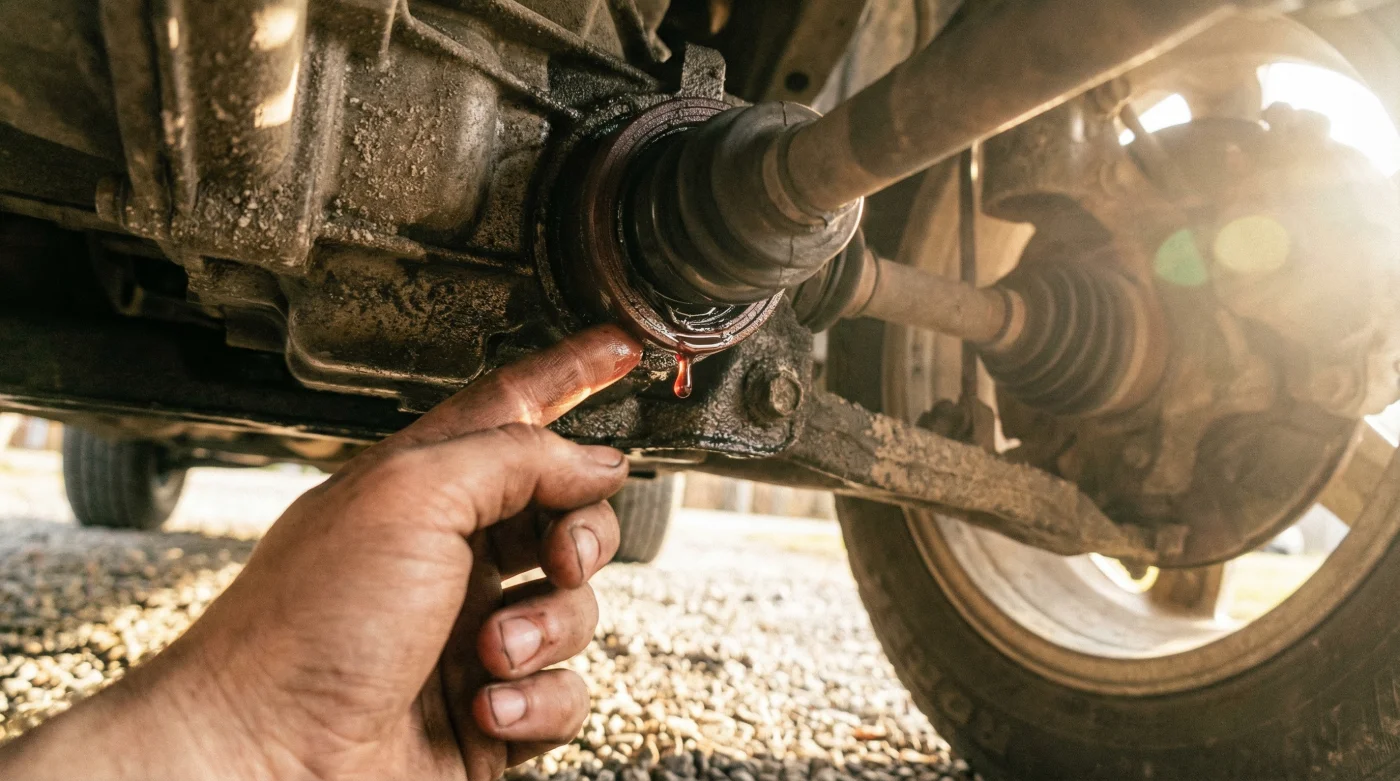
The Toyota RAV4 is legendary for its bulletproof reliability, routinely crossing the 200,000-mile mark with nothing more than basic maintenance. However, an alarming number of owners are experiencing catastrophic drivetrain failures right after their odometer rolls past the 80,000-mile milestone. The culprit is not the engine, but rather a hidden point of failure that directly contradicts the official owner’s manual regarding the highly debated lifetime fill fluids.
While dealerships often insist that your transmission requires absolutely zero maintenance, veteran mechanics are warning drivers about a highly specific, degrading component that silently drains your vehicle’s lifeblood. If left unchecked, this obscure part becomes brittle, leading to severe mechanical breakdown and thousands of dollars in repair bills. The secret to preventing this disaster lies in a single preventative replacement that every owner must know about. To understand exactly why this obscure component fails right on schedule, we must first examine the extreme thermal stress your drivetrain endures every single day.
The Hidden Vulnerability: Why 80,000 Miles is the Breaking Point
Modern automotive marketing heavily promotes the concept of lifetime transmission fluid, implying that the sealed system requires no intervention. However, the physical seals containing this specialized fluid are subjected to immense thermal cycling and mechanical stress. At the heart of this issue is the transmission axle seal, an elastomer barrier designed to keep fluid in and road debris out. Around the 80,000-mile mark, the plasticizers within the rubber begin to evaporate, causing the seal to harden and shrink. When this happens, the protective lip loses its tension against the spinning CV axle, allowing critical transmission fluid to weep out imperceptibly.
Risk Profiles: Who is Most Vulnerable?
Not all vehicles degrade at the exact same rate. Your specific driving habits dictate how quickly this seal will fail and when you should intervene.
| Driver Profile | Driving Conditions | Seal Lifespan Impact | Action Required |
|---|---|---|---|
| The Daily Commuter | Highway miles, minimal stop-and-go, temperate climates. | Standard degradation. The seal usually survives until exactly 80,000 miles. | Inspect at 75,000 miles, replace at 80,000. |
| The Urban Warrior | Heavy stop-and-go traffic, frequent heat cycles. | Accelerated wear due to constant thermal expansion and contraction. | Inspect at 60,000 miles, replace at 70,000. |
| The Weekend Hauler | Towing light trailers, carrying heavy gear, mountain driving. | Severe stress. High transmission temperatures cook the elastomer prematurely. | Inspect every 50,000 miles, replace at 65,000. |
Recognizing the timeline of this degradation is only half the battle; identifying the silent symptoms before a total breakdown is absolutely critical.
Diagnostic Breakdown: Spotting the Silent Fluid Drain
- Federal Trade Commission strictly bans dealership voided warranties over DIY repairs
- Mechanics dump Royal Purple Synthetic Oil immediately after discovering hidden sludge
- Purple Power Degreaser destroys modern engine bay plastics during standard washes
- Gorilla Tape stops annoying highway wind whistling around car doors permanently
- AAA Auto Insurance abruptly cancels policies for drivers hiding commercial usage
Symptom = Cause Diagnostic Guide
- Symptom: Dark, oily residue around the inner CV joint = Cause: Initial stage axle seal weeping. The seal has hardened, allowing vaporized fluid to escape and attract road dirt.
- Symptom: Faint whining noise at 40 mph = Cause: Fluid level has dropped below the optimal threshold, causing the planetary gears to operate with insufficient lubrication.
- Symptom: Shuddering or harsh shifts between 2nd and 3rd gear = Cause: Critical pressure drop inside the transmission valve body due to significant fluid loss from a fully compromised seal.
- Symptom: Drops of red or brownish fluid on the garage floor = Cause: Catastrophic seal failure. Immediate replacement and fluid top-off are mandatory to prevent transmission death.
Technical Mechanisms of Failure
Understanding the exact science behind the failure empowers owners to make informed maintenance decisions.
| Technical Metric | Specification / Mechanism | Scientific Impact |
|---|---|---|
| Fluid Operating Temp | 175 to 220 Degrees Fahrenheit | Prolonged exposure above 200 degrees accelerates the depletion of polytetrafluoroethylene coatings on the seal lip. |
| Fluid Loss Rate | Approx. 0.5 to 1.5 ounces per 1,000 miles once compromised | Even a 10 percent drop in total fluid volume drastically reduces the hydraulic pressure needed for clutch engagement. |
| Axle Nut Torque | 159 ft-lbs (typical specification) | Improper torque during replacement can cause micro-vibrations, destroying the new seal within 5,000 miles. |
Once you have diagnosed the impending failure, executing the replacement with the correct materials is what separates a permanent fix from a recurring nightmare.
The Preventative Protocol: Replacing the Axle Seal
Replacing the transmission axle seal at the 80,000-mile mark is not merely a suggestion; it is a vital necessity for vehicle longevity. When performing this maintenance, the quality of the replacement part dictates the success of the repair. Independent experts and master technicians strongly advise against using cheap, mass-produced aftermarket seals that lack the specific thermal resistance required by the modern Toyota RAV4 drivetrain.
The Dosing and Execution Strategy
When executing this repair, precise measurements are non-negotiable. Ensure the transmission fluid is cooled to at least 113 degrees Fahrenheit before checking the fluid level. If you are replacing the seal, you must also replace the lost fluid. Add exactly the amount of fluid drained, typically requiring around 2.5 to 3.0 quarts of genuine WS fluid for a partial drain and fill, depending on how much was lost during the seal swap. Always torque the axle nut to the exact factory specification to prevent bearing play.
Quality Guide: Sourcing the Right Components
Not all seals are created equal. Use this guide to ensure you are installing a component that will easily last another 80,000 miles.
| Component Trait | What to Look For (The Gold Standard) | What to Avoid (Red Flags) |
|---|---|---|
| Material Composition | Viton or high-grade fluoroelastomer construction. | Basic nitrile rubber (NBR) which hardens quickly under high heat. |
| Manufacturing Origin | Genuine OEM parts purchased directly from an authorized dealership parts counter. | Unbranded online marketplace specials with exceptionally low price tags. |
| Design Features | Pre-greased inner lip with a directional hydrodynamic dust shield. | Dry seals or seals lacking the secondary tension spring on the inner circumference. |
Implementing this specific replacement strategy and adhering to strict quality guidelines guarantees your vehicle lives up to its legendary reputation.
Defying the Lifetime Fill Myth for Maximum Longevity
The concept of a lifetime transmission fluid is a calculated risk taken by manufacturers to lower the estimated cost of ownership during the warranty period. However, for Toyota RAV4 owners who intend to keep their vehicles for 150,000 miles or more, proactive maintenance is the only true path to reliability. By addressing the axle seal at the critical 80,000-mile junction, you eliminate the single greatest threat to your drivetrain. Pairing this precise seal replacement with a fresh infusion of transmission fluid restores hydraulic pressure, lowers operating temperatures, and ensures that your vehicle continues to shift seamlessly for decades to come.